Elevator Modernization and Renovation
Outdated elevator systems can be not only unpleasant for users but also pose safety risks. We offer complete modernization that includes both technical improvements and visual upgrades — resulting in a safe and modern elevator.
Contact Us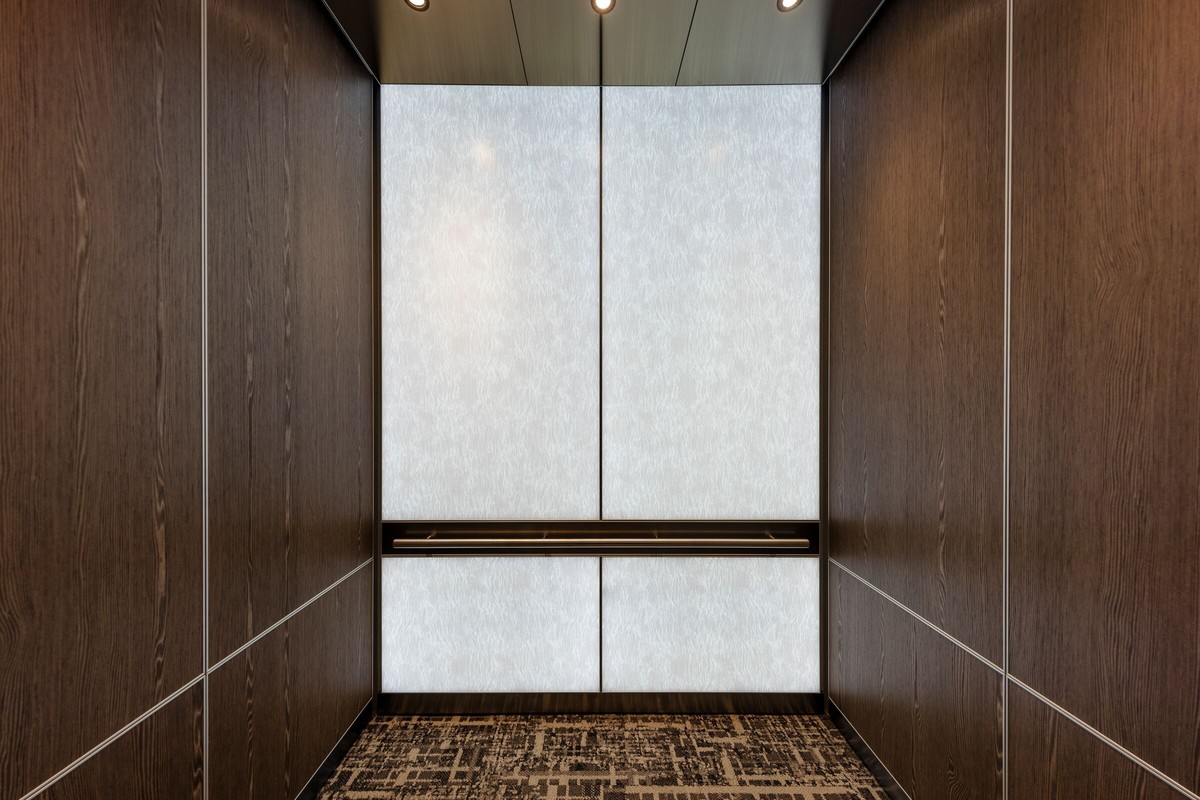
When is Elevator Modernization Needed?
Elevator frequently breaks down or operates noisily
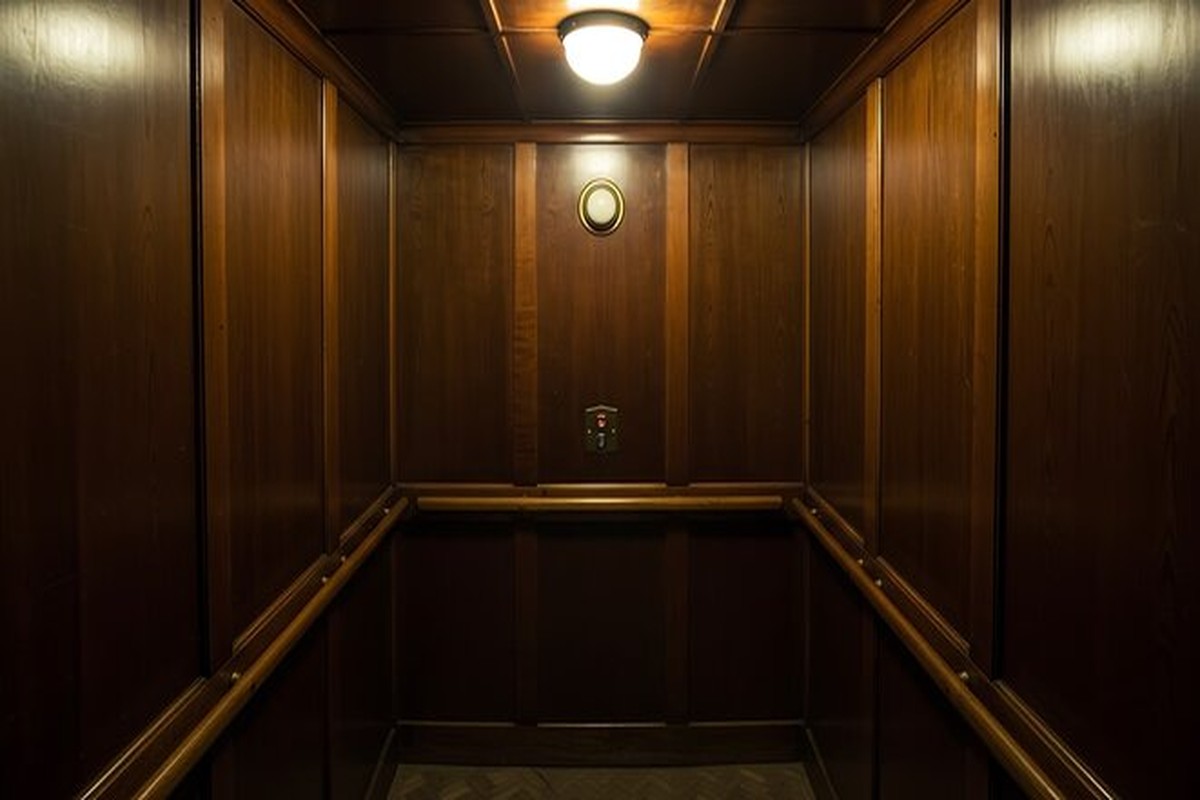
Cabin design is outdated and does not meet modern standards
Control system is outdated and does not ensure energy efficiency
Cabin or entrance is not adapted for people with disabilities
Does not meet ISO/EN safety standards
What We Can Do:
Technical Upgrade:
- Replacement of motor and control panel with modern components
- Optimization of passenger flow through intelligent control
- Complete shaft inspection and full restoration of all safety components
Visual Upgrade:
- Cabin interior restoration or complete replacement (walls, floor, lighting)
- Installation of modern displays and buttons
- Automatic doors and new scrolling systems
- Standards adapted for people with disabilities
Why is Modernization Worth It?
New system installation reduces risks and creates safe movement
You get a new elevator at lower cost
Safety and comfort increase
Old elevator renovation reduces elevator malfunctions and financial expenses
What does elevator modernization include?
Elevator modernization replaces the worn or outdated parts of an existing lift — usually the drive, control system, doors and safety components — while the shaft and, where possible, the guide rails stay in place. You end up with an elevator that runs safer, quieter and more efficiently, without the cost and disruption of a complete replacement.
When is an elevator due for modernization?
Most elevators need modernization after 15–20 years of operation, or earlier if they no longer meet current safety standards. Typical warning signs are frequent breakdowns, slow or jerky travel, a cabin that stops out of level with the floor, rising energy consumption and an outdated, worn interior.
Partial or full modernization — which one do you need?
That depends on the condition of each component. A partial upgrade may cover only the control panel and door operators; a full modernization also replaces the motor, wiring, cabin and landing equipment. After an on-site inspection we recommend the scope that makes sense for your building and budget, and explain which parts can safely stay.
Can you modernize an elevator made by another manufacturer?
Yes. WestLift modernizes elevators from all manufacturers. We replace control systems, safety devices, drive mechanisms and cabin interiors with certified components from suppliers we work with, such as AKRA, Arkel and Montanari.
Which standards does a modernized elevator meet?
Upgraded equipment is brought in line with the European EN 81-20 and EN 81-50 safety standards, and the cabin and controls can be adapted to EN 81-70 for people with disabilities. Every project ends with testing and a documented handover, just like a new installation.
Is it better to modernize or to replace the elevator?
Modernization usually costs less than a new elevator, because the shaft and often the rails and supporting structure are reused. If the shaft itself no longer suits the building — for example, it is too small for the capacity you need — a new installation may be the better long-term choice. We will tell you honestly which option fits.
How does a modernization project run?
Every project goes through the same four stages, so building management and residents know what happens and when.
- 1
Inspection and assessment
Our engineers inspect the machine room, shaft, cabin and safety devices and record which components can stay and which need replacing.
- 2
Proposal and schedule
You receive a written proposal with the recommended scope, the equipment we plan to use and a work schedule agreed with building management.
- 3
Dismantling and installation
Old components are removed and the new drive, control and door equipment is installed and wired. The lift is out of service during this stage, so we plan the timing with you in advance.
- 4
Testing and handover
Load, brake, door-sensor and emergency tests are carried out and documented before the elevator returns to service. Regular technical service then keeps the upgraded system in good shape.
Adding a lift to an existing building or replacing an old one
Many apartment blocks, especially Soviet-era five-storey buildings, were built without a lift or with one that is long past its service life. In an existing building the lift has to fit what is already there: the shaft, the stairwell, the facade and the foundations. We measure the available space on site, check the pit and headroom, and select a model that actually fits.
Can a lift be added to a five-storey building that never had one?
Often yes, but it depends on the building. The usual options are a shaft attached to the facade (typically a steel frame that can be glazed) or a lift inside the stairwell where it is wide enough. A machine-room-less (MRL) lift avoids the need for a separate machine room, and hydraulic lifts suit low-rise buildings. We will tell you which option works for your building after a site survey. See our elevator shaft guide for the requirements.
How do you replace an old Soviet-era lift?
If the shaft is sound, the lift rarely has to be torn out completely: we replace the drive, controller, doors and cabin and keep the shaft and often the guide rails. If the shaft is too small for the capacity you need or the structure is worn, it is better to remove the old equipment and install a new lift to EN 81-20/50. Both routes start with a free inspection. In apartment buildings the owners decide, usually through the homeowners' association, so we prepare technical drawings and a scope of work early to help them agree.
Planning to upgrade an older elevator?
Tell us the building address and roughly how old the elevator is — we will arrange an inspection and recommend the right scope of modernization.